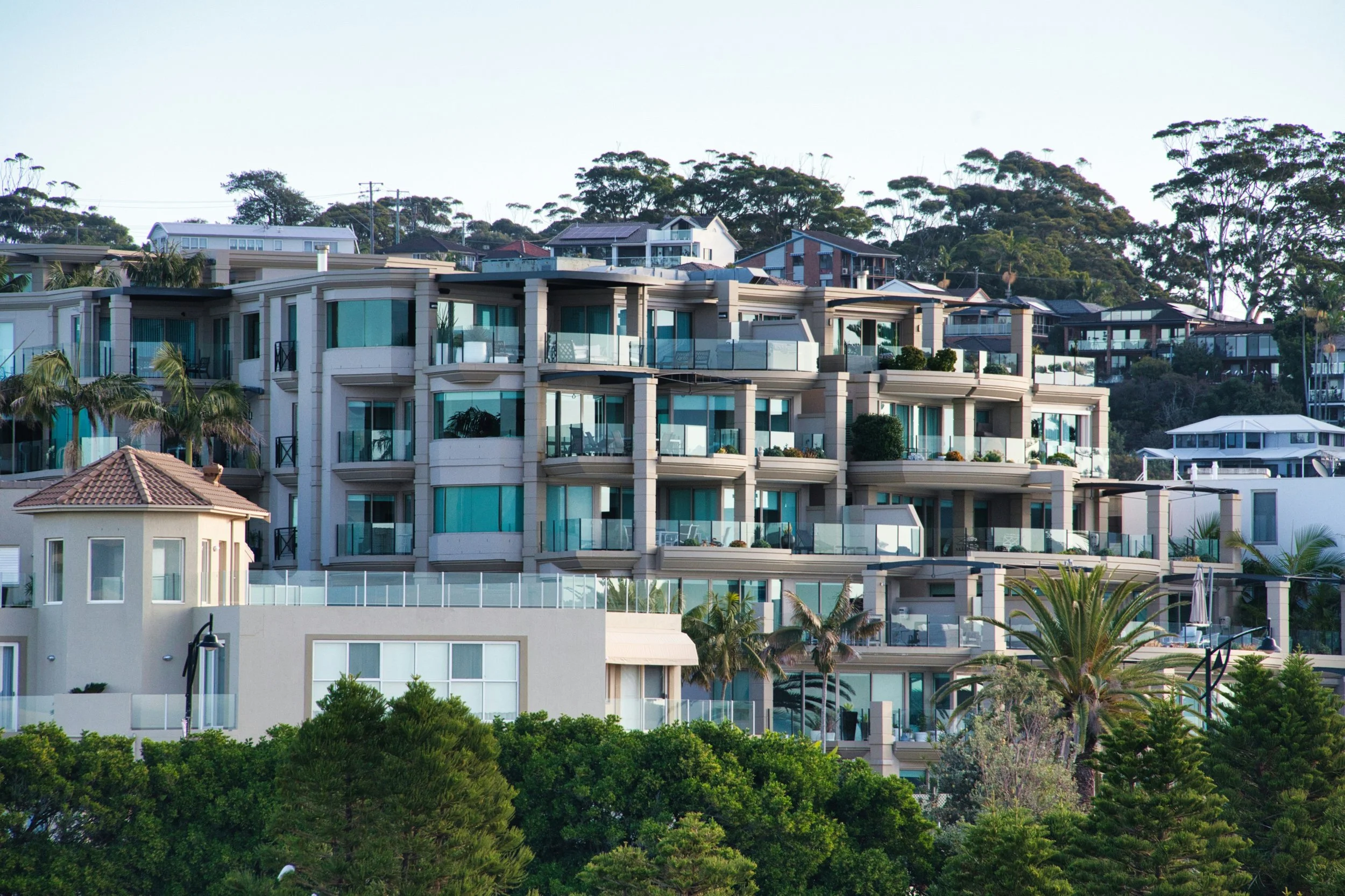
Buying an apartment in Sydney is one of the biggest financial decisions most people will make — and one that has become increasingly complex. Unlike purchasing a freestanding house, an apartment comes with another entire layer of ownership: strata. You’re not just buying the unit you live in; you’re also taking on shared responsibility for common property, finances, building health and future liabilities.
In 2025, with rising construction issues, tightening legislation, and ongoing media focus on building defects, it’s never been more important to know exactly what you’re buying into.
Whether you’re a first-home buyer, investor, downsizer or returning expat, this guide breaks down everything you must check before buying an apartment in Sydney — and why working with a buyer’s agent can make all the difference.
1. Start With the Strata Report (This Is Non-Negotiable)
A strata inspection report is your single most critical piece of due diligence. It gives detailed insight into:
The financial health of the scheme
Past and current maintenance
Building defects
Special levies (past, present or planned)
Insurance coverage
Disputes within the building
Meeting minutes and upcoming decisions
Whether the scheme is well-managed or chaotic
What to look for:
✔ A healthy Capital Works Fund
The Capital Works Fund (formerly the sinking fund) pays for major future repairs. Warning signs include:
Low balance relative to the size of the building
Frequent special levies
Delays in maintenance due to lack of funds
If the Capital Works Fund is inadequate, you may end up covering the shortfall in the form of special levies.
✔ No unresolved major building defects
Sydney has had well-publicised issues with cracked structures, flammable cladding, water penetration, and poor workmanship.
The strata report should clearly outline:
Whether defects exist
What has been done to fix them
Whether legal action is underway
Whether experts have been engaged
Whether costs will fall onto owners
Many buyers walk straight into six-figure repair liabilities because they didn’t review the report correctly. We can help you to decipher the report.
✔ No evidence of poor management
Look for red flags such as:
Delayed meetings
Lack of records
Poor communication
Repeated disputes
Unresolved safety issues
Strong strata management is a good proxy for a financially stable, well-maintained building.
2. Review Strata Levies (and Whether They’re Sustainable)
Strata levies vary widely across Sydney. High levies aren’t necessarily bad — and low levies can be a major red flag.
Low levies may mean:
Deferred maintenance
Upcoming special levies
No long-term planning
Basic facilities but poor upkeep
Higher levies often reflect:
Good maintenance
Adequate sinking fund planning
High-quality facilities (pool, lift, gym, concierge)
Proactive repairs that protect long-term value
The key is sustainability, not the dollar amount.
3. Inspect the Apartment Thoroughly (or Engage an Expert)
Even in a strata building, defects inside your apartment are your problem — not the Owners Corporation’s.
Essential checks include:
Water damage or mould
Rotten or swollen skirting boards
Window and door seals
Noise transmission
Ventilation
Cracks (fine vs structural)
Flooring condition
Drainage and waterproofing
Waterproofing defects are among the most expensive repairs and are one of the biggest risks in apartments built in the last 20 years.
A building and pest inspection for an apartment is different from a house — but still essential.
4. Understand the Bylaws Before You Buy
Bylaws vary widely and can significantly affect your lifestyle.
Common bylaws to review:
Pet ownership — some buildings have requirements
Short-term letting (Airbnb) — can affect noise, safety and resale
Renovation approvals — what you can and cannot alter
Smoking bylaws — many buildings now restrict smoking on balconies
Parking allocation — visitor parking, car stackers, tandem spaces
Noise rules
Common area usage
Move-in and move-out costs
Bylaws tell you what living in the building will actually be like.
5. Check the Age of the Building (and What Era It Belongs To)
Different eras of Sydney apartments come with different risk profiles.
Pre-1970s (Older, Solid Buildings)
Pros: thick walls, large rooms, solid construction
Cons: older plumbing/electrics, no lifts, can require major updates
1970s–1990s
Pros: reliable construction, good layouts
Cons: aging lifts, concrete cancer in some buildings
Early 2000s Boom
Pros: modern design, good amenities
Cons: height of defect-prone era in Sydney construction
2010s–2020s High-Rise Era
Pros: premium features, strong investor demand
Cons: serious risk of building defects, flammable cladding, waterproofing failures
Understanding the building era helps you predict long-term maintenance and risk.
6. Check For Flammable Cladding (A Critical 2026 Issue)
NSW continues to phase out flammable cladding, but hundreds of buildings are still affected.
If the building is on the NSW Cladding Register or under remediation, you need to understand:
Costs
Timelines
Legal actions
Who is paying
Whether insurance premiums have increased
Ignoring cladding issues can be financially devastating.
7. Assess the Surrounding Area (Now and Into the Future)
Even the best apartment loses value if the area is declining — or if future development will block your sunlight or views.
Check:
Rezoning plans
Nearby major developments
Planned infrastructure
Traffic changes
Transport links
Noise corridors
Flood zones
Heritage restrictions
Sydney suburbs can change dramatically in less than five years. Future-proofing matters.
8. Consider Parking, Storage and Accessibility
These features can significantly impact resale value.
Parking checks:
Is the parking on title?
Is it exclusive use or common property?
Is it a car stacker (which many lenders dislike)?
Is it tandem?
How secure is it?
Are there visitor spaces?
Storage checks:
Is there a lock-up cage?
Is storage on title or allocated?
Is it secure and usable?
Accessibility:
How many lifts?
What happens if one breaks?
Are stairs unavoidable?
Small details can make a big difference to everyday living.
9. Review Insurance and Compliance
The building must have appropriate insurance:
Public liability
Building replacement
Workers’ compensation
Strata building insurance
The strata report should show any issues such as:
Insurance claims
Premium increases
Flood or storm damage history
Asbestos records
Insurance issues often indicate deeper building problems.
10. Check the Developer, Builder and Building Manager Reputation
A quick search of the developer or builder can reveal:
Class actions
Defects in other buildings
History of poor workmanship
Liquidations
Media reports
Sydney has several builders with repeated defect issues — and many buyers never check.
11. Look Closely at the Financials
A thriving strata shows:
Predictable levies
Strong cash flow
No major arrears
Well-managed budgets
Consistent upkeep
A struggling strata shows:
Unpaid levies (owners in financial distress)
Large debts
Chaotic records
Disputes over money
Special levies every few years
Financial instability can dramatically reduce your resale value.
12. Understand Rental Demand (If You're an Investor)
Investors should check:
Vacancy rates
Rental yields
Demand for the building type
Demographics
Owner-occupier percentage
Local infrastructure influencing rents
In 2026, tenant preferences have shifted towards:
Good natural light
Separate work-from-home spaces
Proximity to transport
Quality of soundproofing
Not all apartments perform equally — even in the same suburb.
Why Buyers Should Never Skip Professional Due Diligence
Sydney apartments come with unique risks, and even experienced purchasers often overlook crucial details.
A buyer’s agent:
Analyses strata reports deeply
Identifies red flags most buyers miss
Advises on building and developer risk
Provides accurate price appraisals
Prevents you from overpaying
Assesses long-term growth and suitability
Negotiates with the selling agent strategically
Helps avoid emotionally driven decisions
Buying the wrong apartment is easy. Fixing a mistake can be expensive — or impossible.
Final Thoughts: Protect Yourself Before You Buy
Buying an apartment in Sydney isn’t just about choosing a home you love.
It’s about understanding:
The building
The finances
The risks
The future maintenance
The legal obligations
The market value
The long-term viability
With the right due diligence, a Sydney apartment can be an excellent investment and a wonderful place to live — but only if you know exactly what you are buying. Contact us if you need help to decide!